Vitamin C, also known as ascorbic acid, is a water-soluble vitamin essential for many biological functions. The human body cannot synthesize or store it for long periods, making daily intake through diet or supplementation essential.
Among its major roles, vitamin C contributes to the proper functioning of the immune system, both at rest and during periods of increased physiological stress, such as an infection. It also helps protect cells against oxidative stress by neutralizing free radicals generated by metabolism or external aggressions (pollution, tobacco, UV, etc.).
Vitamin C also plays a role in reducing fatigue and supports energy production by contributing to normal energy metabolism. It is also involved in the synthesis of collagen, a protein essential for maintaining the structure of the skin, bones, cartilage, blood vessels, and gums.
Vitamin C requirements may increase in certain situations: stress, smoking, aging, intense physical exertion, or exposure to environmental pollutants. Even a moderate deficiency can manifest as persistent fatigue, weakened immunity, or skin problems.
Vitamin C is naturally found in many fruits and vegetables, especially citrus fruits (orange, lemon, grapefruit), berries (blackcurrant, strawberry, raspberry), kiwi, guava, as well as vegetables like red bell pepper, broccoli, parsley, and cabbage. However, vitamin C content decreases with cooking or prolonged storage, which can limit actual intake.
Supplementation then becomes an effective strategy to sustainably support physiological functions and prevent deficiencies.
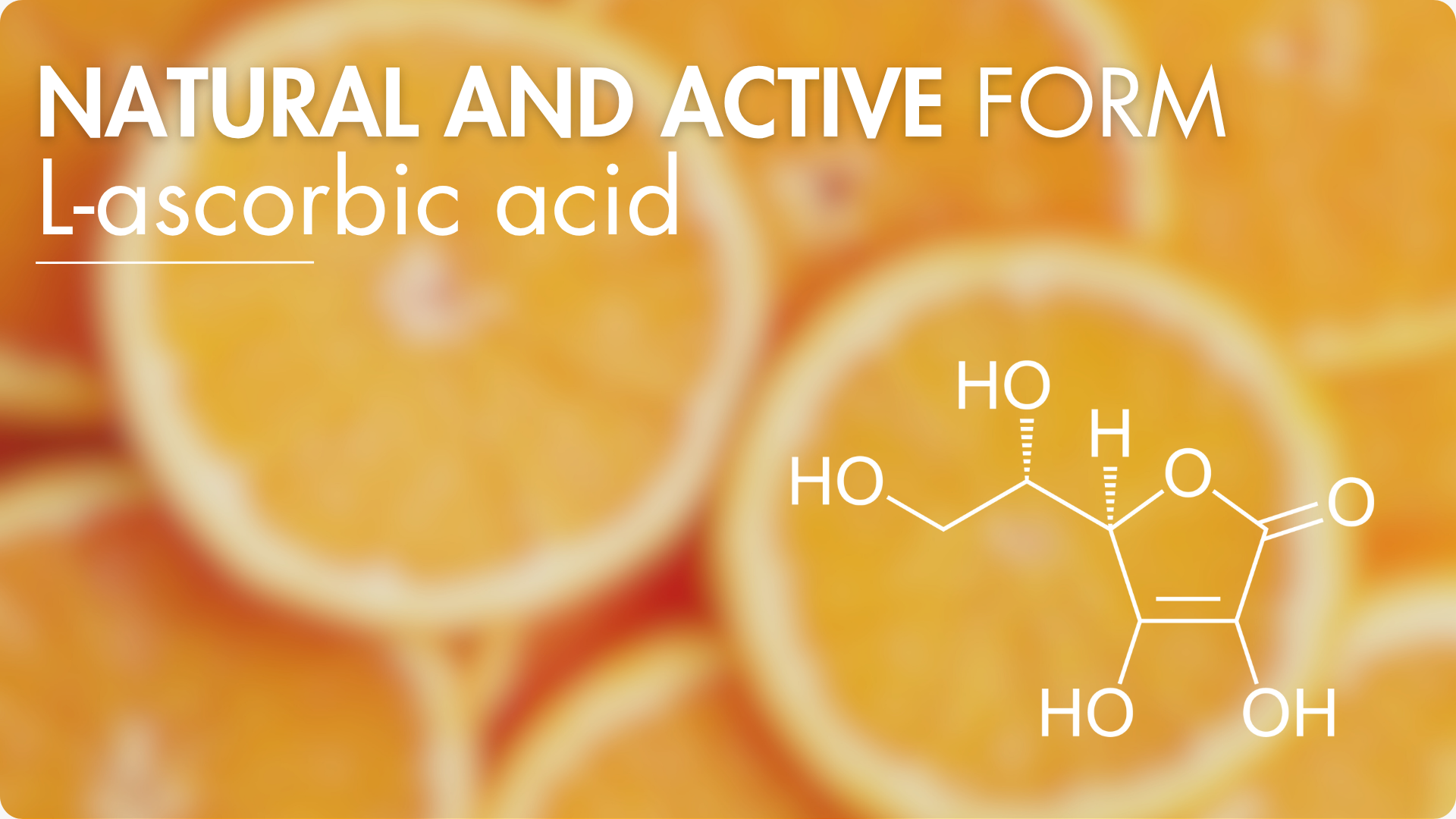
Vitamin C in the form of L-ascorbic acid
Vitamin C in the form of L-ascorbic acid is the natural and biologically active form of vitamin C, the one found in foods and used by the body. It is a water-soluble molecule with high bioavailability, particularly well absorbed in the small intestine.
Although its absorption decreases at high doses (above 1 g), this form remains a reference in supplementation, notably for its well-documented properties, purity, and stability.
Single ingredient: targeted, effective, and personalized supplementation
Discover the single-ingredient range by Therascience, developed by our expert laboratory in Physionutrition! To ensure effective supplementation tailored to each of your needs, the THERASCIENCE Laboratory has developed a wide range of single-ingredient formulas, always guaranteeing product quality and active ingredient efficacy! The single-ingredient products by Therascience allow for:
- Personalized supplementation to suit your individual needs,
- Precise and highly targeted responses,
- Supplementation without the risk of potential overdosing of certain vitamins, minerals, or trace elements.
Scientifically validated optimal dosage
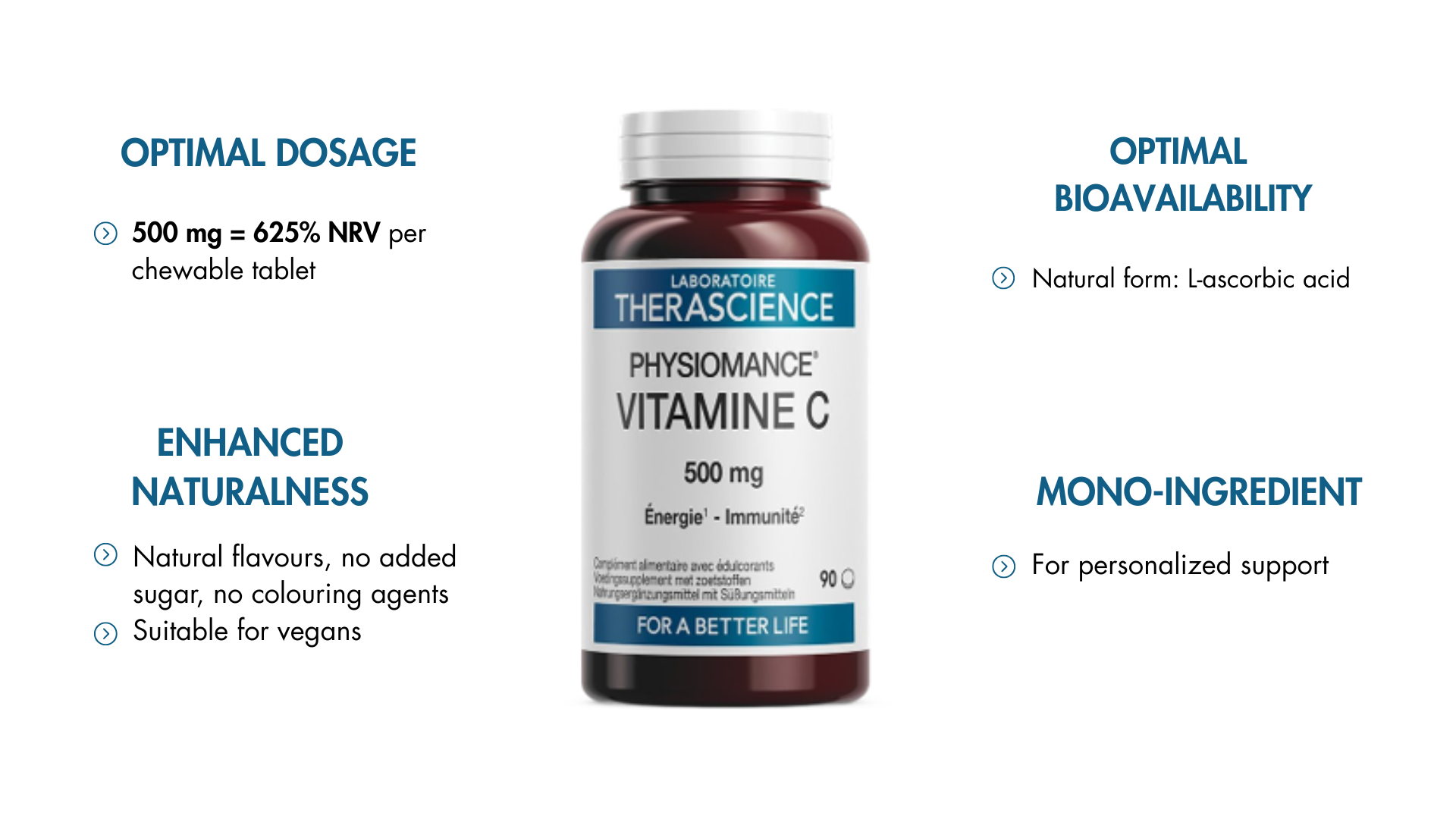
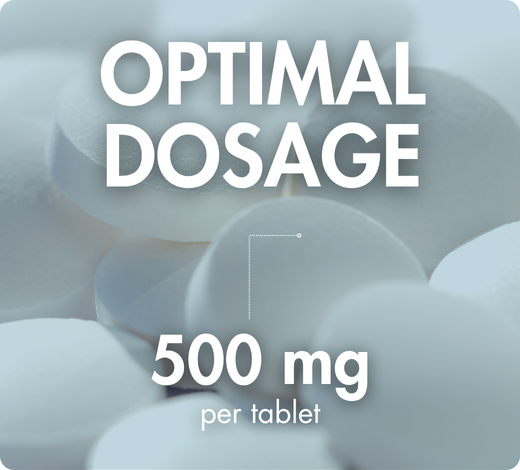
Clinical studies have shown that a daily intake of 500 mg of vitamin C is an optimal dosage to support essential physiological functions such as immunity, antioxidant protection, collagen formation, and fatigue reduction.
Each 500 mg dose provides a level of intake that ensures optimal bioavailability and tissue concentration, while guaranteeing good digestive tolerance. This dosage is higher than the recommended dietary intakes (RDI) (between 80 and 110 mg/day depending on age), while remaining well below the maximum limits set by health authorities (2000 mg/day), thereby ensuring daily safety and efficacy. This quantity has been carefully selected to meet increased physiological needs, especially during oxidative stress, fatigue, or recovery, while minimizing the risk of digestive discomfort associated with excessively high doses.
Enhanced naturalness
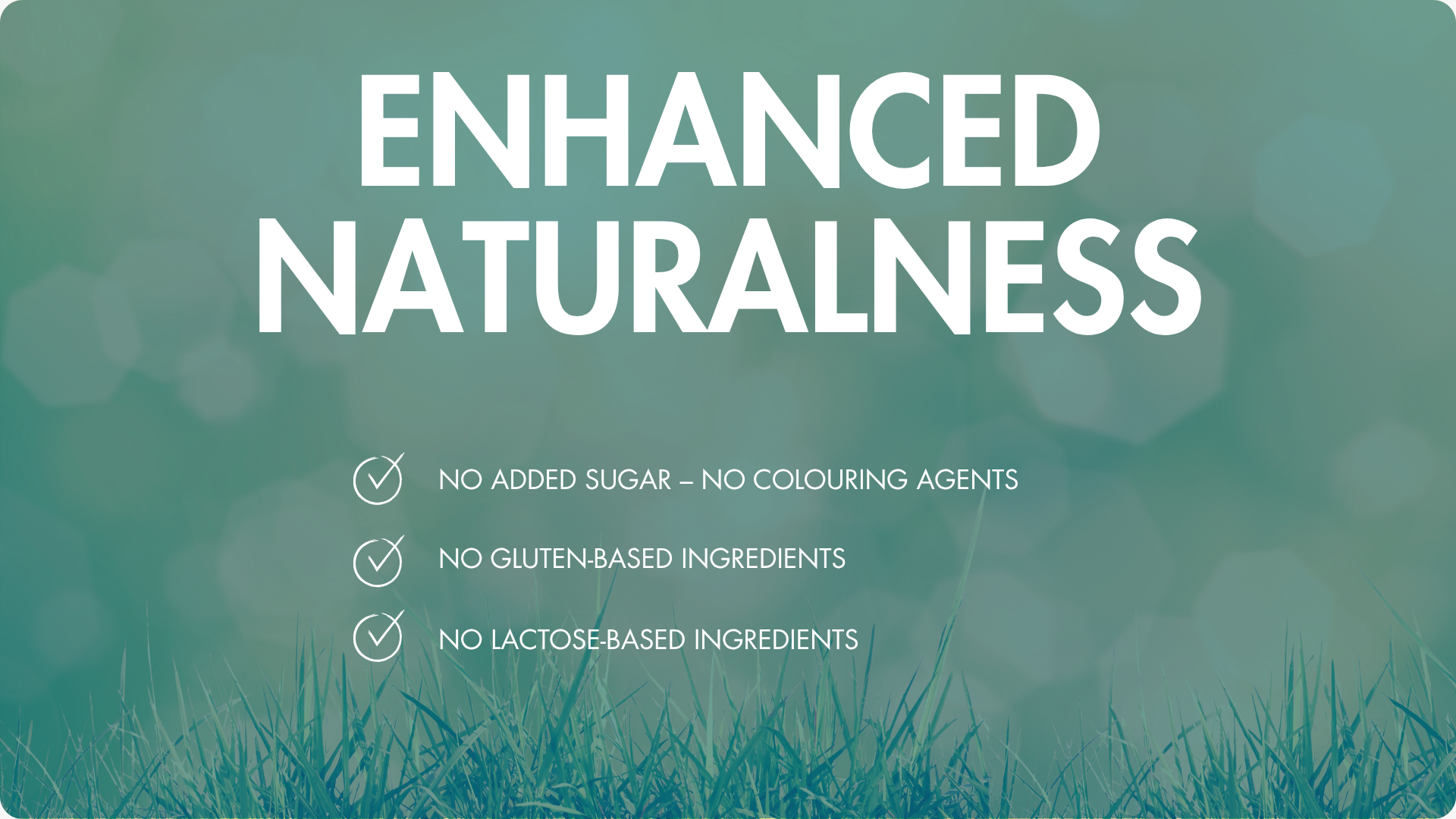
PHYSIOMANCE® Vitamin C reflects the commitment of the THERASCIENCE Laboratory to enhanced naturalness and responsible formulation. This food supplement is formulated without added sugar, without colorants, and exclusively with natural flavors. It contains no controversial excipients, no gluten- or lactose-based ingredients, and is perfectly suitable for vegetarian and vegan diets. This commitment to purity reflects a desire to offer a transparent product that respects the body and aligns with current expectations regarding health, ethics, and sustainability.