Acétyl L-Carnitine : rôle, bienfaits
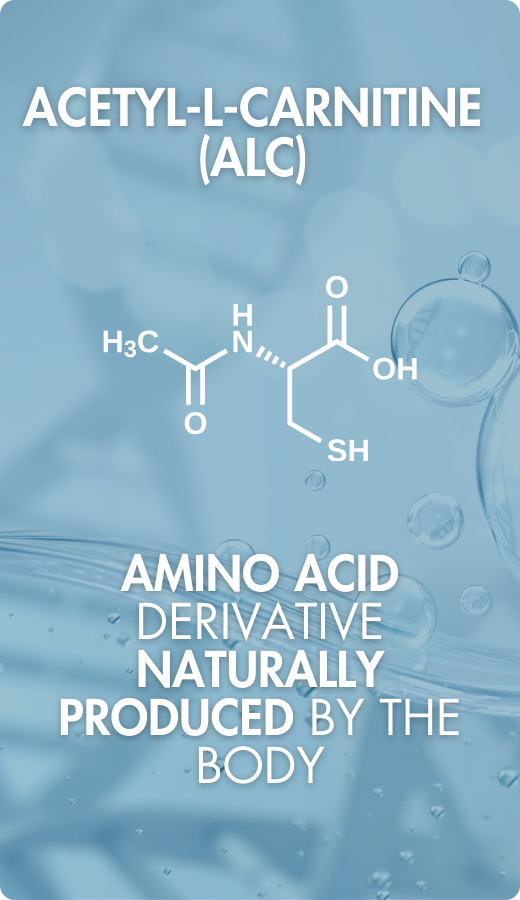
Acetyl-L-Carnitine (ALC) is the acetylated form of L-carnitine, an amino acid derivative naturally produced by the body from lysine and methionine, in the presence of vitamin C, iron and B vitamins. From a physicochemical standpoint, the addition of an acetyl group gives ALC better solubility in water and increased ability to cross biological membranes, particularly the blood-brain barrier, allowing it to be present in both the brain and the peripheral nervous system. The interest in the HCl (hydrochloride) form lies mainly in its galenic and pharmacokinetic advantages, as it forms a more stable salt, highly soluble in water and therefore more easily absorbed by the body. This increased solubility optimizes bioavailability and allows for better consistency of dosages.
In the body, ALC is mainly found in tissues with high energy activity: brain, heart, skeletal muscles and liver. It is involved in the transport of long-chain fatty acids to the mitochondria, where they are oxidized to produce ATP. ALC is involved in the production of acetyl-CoA, a key intermediate of the Krebs cycle and a precursor of acetylcholine, a major neurotransmitter involved in memory, learning, and also motor control.
In the enteric nervous system, nerve transmission and neuromuscular coordination of intestinal motility are of paramount importance. The activity of intestinal neuronal networks is linked to the efficiency of the migrating motor complex (the physiological cleaning process of the small intestine).